
Democracy For All
Unitarian Universalists (UUs) believe each person deserves a voice and a vote, and that true democracy is an expression of the agency and self-determination that are an essential part of all of us. Our faith compels us to show up fully in service of democracy. It also tells us to fight for a world in which all people are free and thriving.
Protests and Education
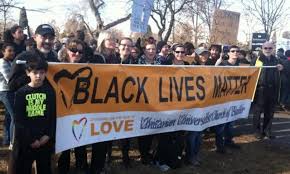
Accordingly, our Social Justice Committee has taken many actions to fight for others’ rights. We have marched in multiple demonstrations and protests. We have also facilitated a series of church-wide trainings examining our own biases, and the experiences of marginalized/othered populations in our society.

UUCiL also raised awareness in the interfaith community of Livermore by inviting them to a private showing of the film “Intentionally Erased,” which was developed by the violence prevention organization, A Call to Men. The film was created to address the high rates of violence occurring against Black trans women.
Encouraged Marginalized to Vote
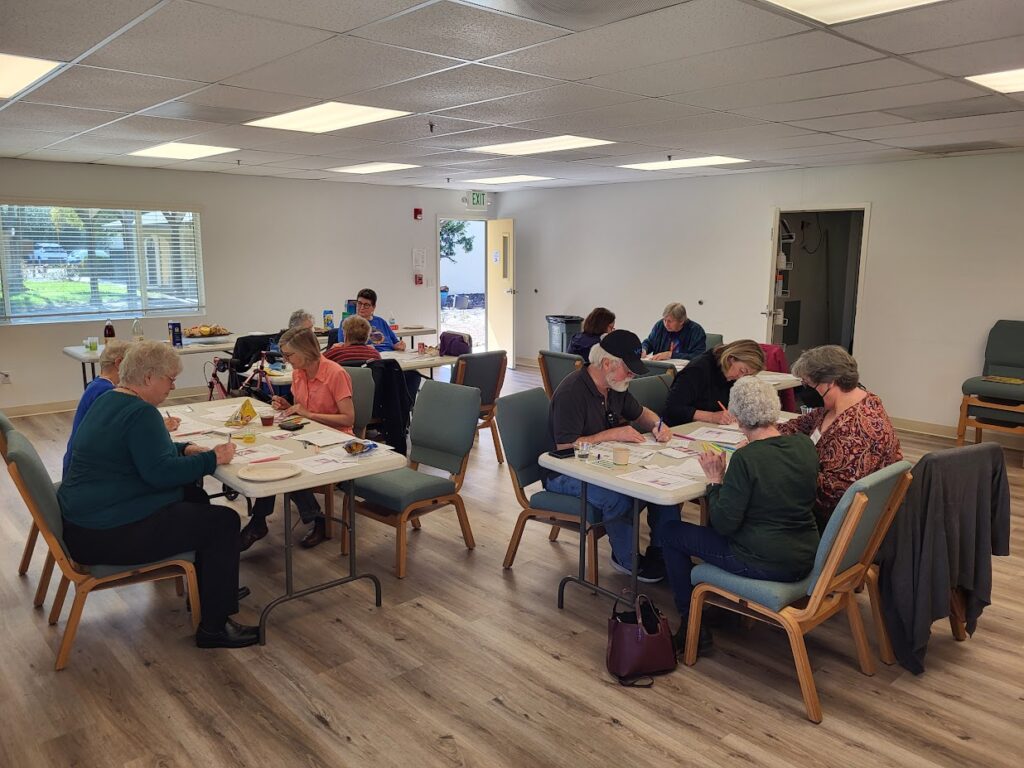
We partnered with the nonprofit organization, Reclaim Our Vote, a grassroots organization. They focus on increasing Black, Indigenous, and people of color (BIPOC) voter turnout through postcarding, texting, and phone banking. Specifically, our congregation organized postcard writing sessions that were directed at marginalized populations that face obstacles in casting their vote. The postcards provided information such as what would be needed for them to vote and where to cast their votes. In our latest campaign, we were able to send out approximately 500 postcards.
For more information about getting involved in voter registration, issue education, and getting out the vote go to UU The Vote.
Unitarian Universalist congregations affirm and promote seven Principles, which we hold as strong values and moral guides. Four that apply to our purpose of supporting democracy for all are:
- 1st Principle: The inherent worth and dignity of every person;
- 2nd Principle: Justice, equity and compassion in human relations;
- 5th Principle: The right of conscience and the use of the democratic process within our congregations and in society at large;
- 6th Principle: The goal of world community with peace, liberty, and justice for all.