
Young Adults-Seniors
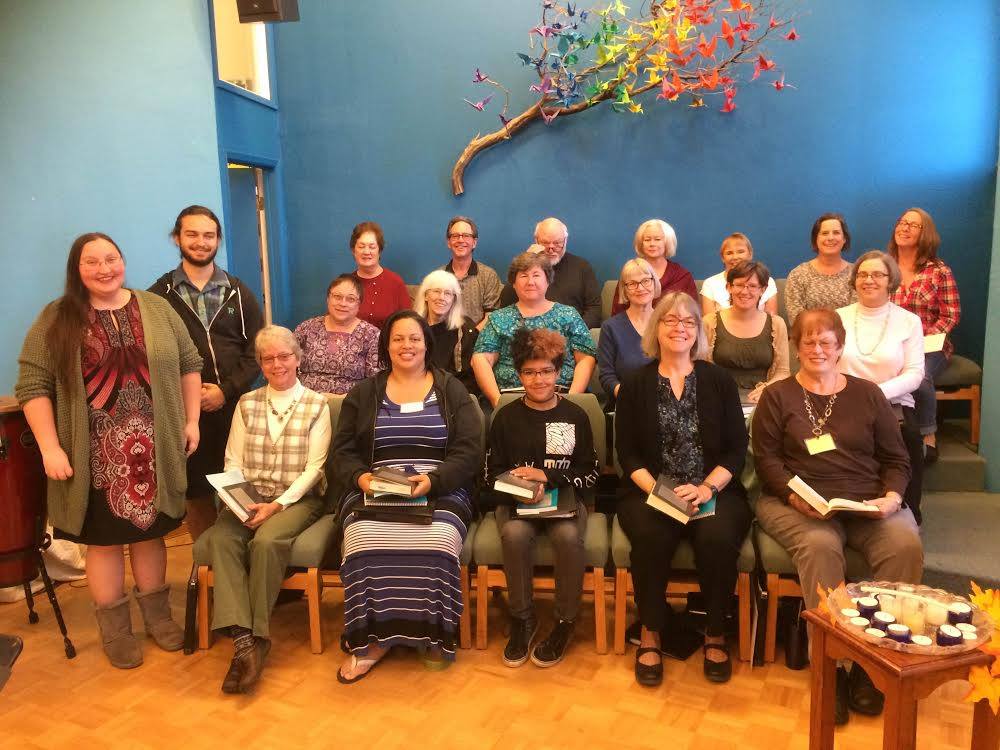
Unitarian Universalist Church of Livermore (UUCiL) takes a lifespan and “whole church” approach to faith development, where the congregation and our covenantal relationships help provide the curriculum. The volunteers of UUCiL collaborate to design and implement lifespan Religious Education (RE) programs for adults of all ages. Our Adult RE programs include classes on Unitarian Universalist (UU) theology and values, how to cultivate spiritual practices, and embody spirituality. In the activities, resources, and other curricular activities, you will find one or more of these six embodied faith development practices/goals:
Sacred Stories
Where do we come from? What are we? Where are we going?
We develop individual and shared UU identities and a sense of belonging in our faith-community, when we tell each other the story of who we are, and what we are for, as UUs. Whole-church RE has often centered the powerful practice of storytelling to teach about our history, theology, principles, sources, and now our shared values. But our Sacred Stories also include community ceremonies and rituals that collectively affirm our belonging and growth in a UU congregation.
One example of how UUCiL accomplishes this is by encouraging congregation members and guest speakers to give the sermon at Sunday Service.
Faithful Conversations
Our congregational theology has always depended on small groups discussing and discerning together. Conversations become religious education, when we intentionally connect individuals and communities who aren’t already in dialogue — and equip those who are for deeper connection.
Faithful Conversations put love at the center, developing opportunities for co-learning, especially across generations. There, we practice using a “language of reverence” to engage our shared values: strengthening UU identity and community, and deepening our capacity for faithful living every day.
Creative Contemplation
Contemplative practices quiet our minds, open our hearts, and connect us more deeply to our spiritual needs — and each other. The benefits of meditation and knitting are well-known.
Whole-church RE offers Creative Contemplation resources with similar benefits, curated for congregational faith development — in worship, class, or common spaces. These solo and shared hands-on activities are for all ages, but are especially supportive for neurodivergent people and families. Public display of completed creations add beauty and depth to a congregation’s story of collective creativity and meaning-making.
Community Making
Making and crafting at church is a common RE activity, where learners align ideas with shared values, build something together, and then repair as needed. That sounds like another way to describe church, doesn’t it?
Anytime humans work to create together, the practice forges and strengthens the bonds of relationship and trust — an essential requirement for UU covenant. Community Making resources build on the whole-church RE practice, inviting people of all ages to roll up their sleeves and build something real together — while making shared meaning, too.
Public Witness
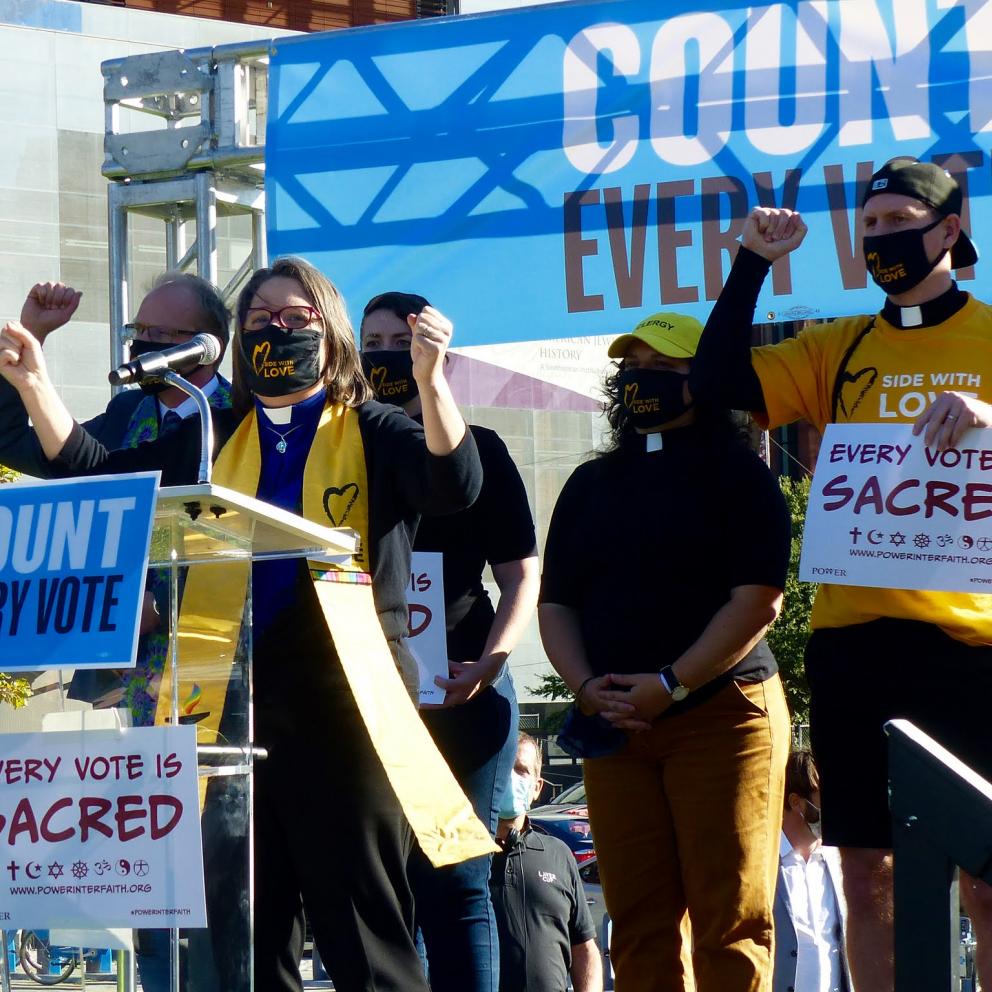
Prophetic witness of our UU values in the public square requires two things: a shared theological grounding, and shared accountability to it. RE builds this capacity through community faith formation practices to include UUs of all ages.
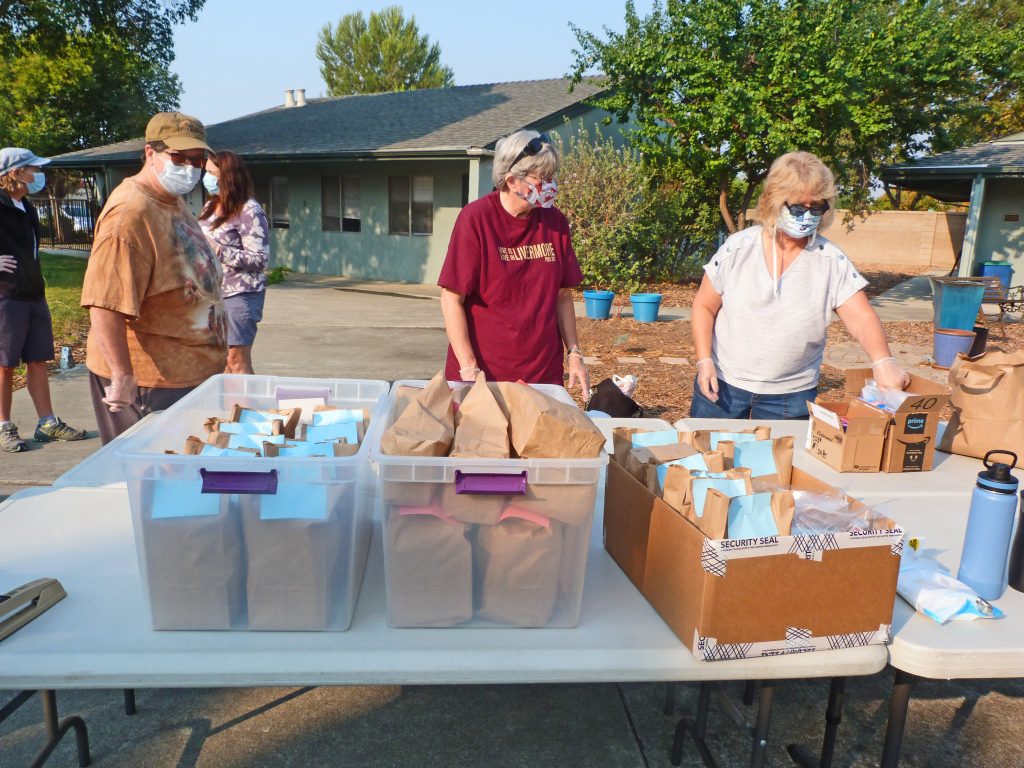
Public Witness activities and resources help UUs name, claim and proclaim their values together, to deepen shared identity and theology. And they offer new ways to learn and share about UUism as a living faith: practicing justice-making and making meaningful connections within and beyond the congregational community, with love at the center.
Joyful Connections
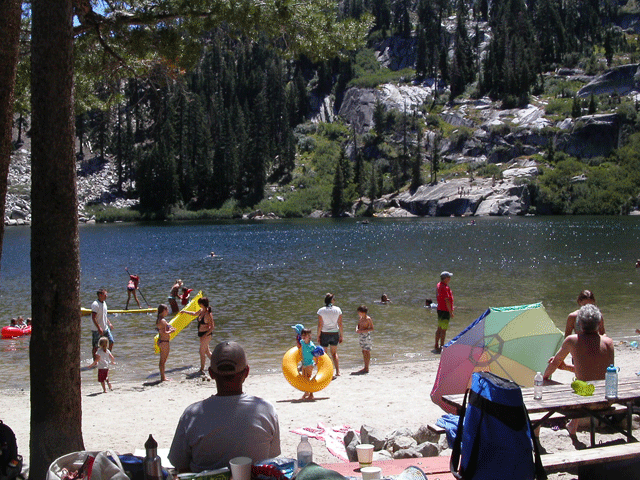
Joy and play create space for vulnerability, creativity, belonging — and transformation! UUs often speak of building the Beloved Community; where better to begin than in our congregations? In RE, we have fun, feast, sing, laugh, move, and play together not because children need that to learn and grow, but because humans do.
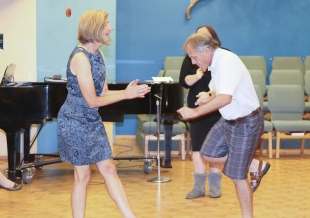
Joyful Connections are serious faith development–they connect, heal and galvanize us for faithful work within, among, and beyond the congregation. They naturally engage multicultural values — powerful antidotes to all forms of oppression. Joy builds collective capacity for resilience and resistance, and the kind of authentic community people want to belong to.